2026-09-21
Formula 1 rewrites the 2027 rulebook: gearboxes go free, races get shorter
The FIA Formula 1 Commission removes gearbox homologation for 2027, cuts the race distance to 290 km and reworks the rules for interrupted races — decisions that reach well beyond the paddock.
The Formula 1 Commission met in London on 21 September 2026 and agreed a package of regulatory changes for the 2027 season. It is a short list, but it says something about the direction the sport is taking: fewer frozen components, shorter races, and a clearer answer for what happens when the weather intervenes. Everything still has to be ratified by the FIA World Motor Sport Council.
Gearboxes: development freedom returns
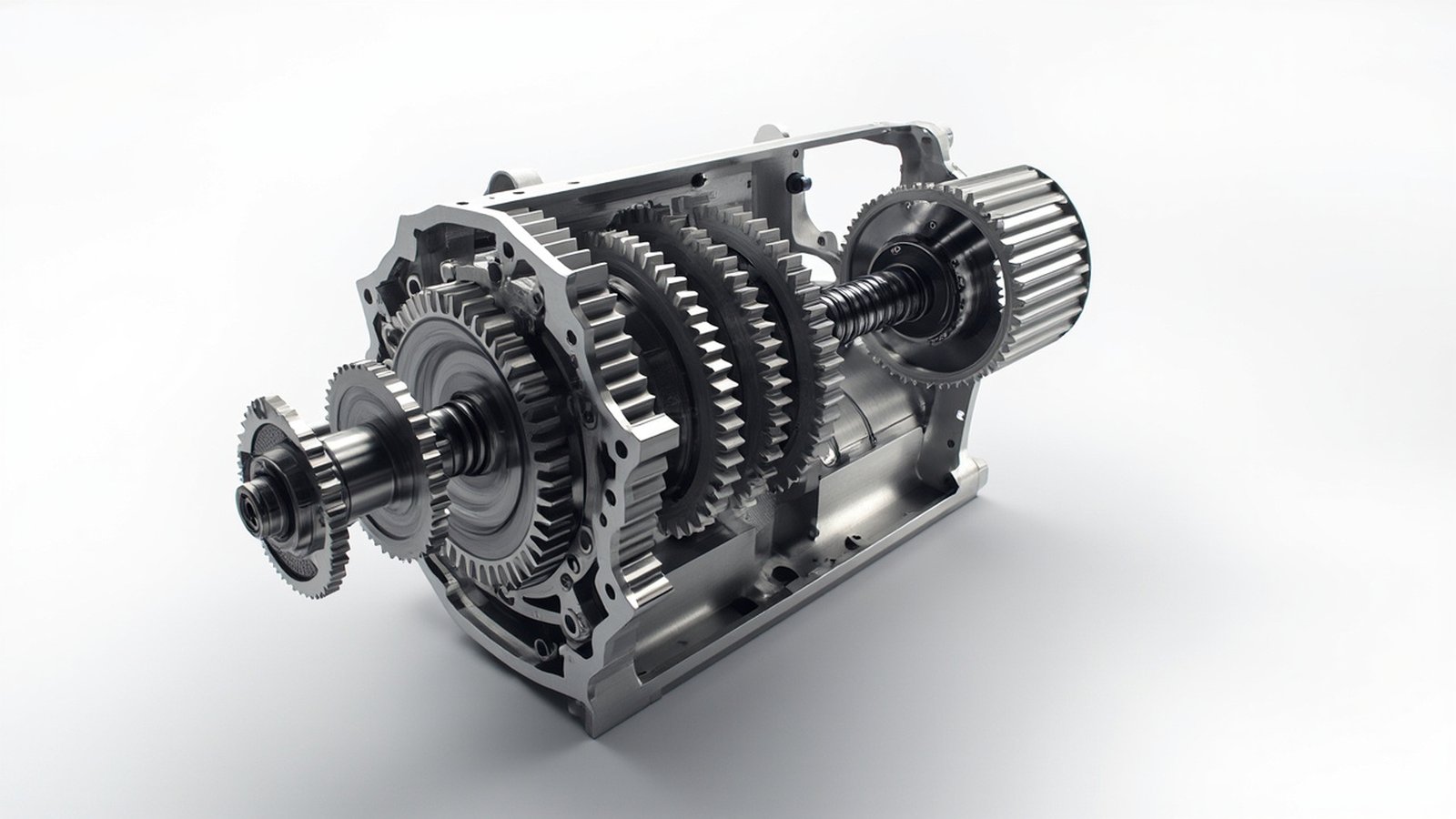
Homologation is removed for gearboxes in 2027. Homologation is what locks a component to a fixed specification for a season; without it, manufacturers keep the freedom to develop instead of freezing the design. The decision followed consultation with the manufacturers' working group and a recommendation from the Sporting Advisory Committee, and it was taken explicitly to preserve supplier development freedom. Minor adjustments to the 2027 Technical Regulations were agreed as well.
Shorter races — the same racing window
The total race distance drops from 305 km to 290 km, two or three laps less, in line with the refinement of the 2027 power unit regulations on fuel flow. Interrupted races are handled differently from now on: a hard stop time is introduced for the end of any racing activity, the three-hour window measured from the start to the finish of a race — including interruptions — disappears, and the limit of two hours of actual racing stays exactly where it is. Free practice sessions will also be easier to extend when they are stopped.
What this has to do with the parts business
Regulations describe what suppliers are allowed to engineer, and that is the technology that eventually reaches the vehicles we service. Every rule that keeps development alive — materials, machining tolerances, sealing, thermal management, lubrication — moves the same parts that workshops buy and fit. Transmissions are a good example: they are engineered systems with serviceable components, not sealed units that last forever. When gearbox development is free again at the top of the sport, the knowledge behind those components keeps travelling.
For a workshop the practical lesson does not change. What arrives in the bay — hybrid and electric drivetrains included — is a system of parts with references, specifications and service intervals. Repairing the component instead of replacing the whole assembly is what keeps a vehicle economical to run, and it only works when the parts and the references are actually available.
What to watch next
The next steps are the World Motor Sport Council ratification and the 2027 cars themselves, which combine the new power unit rules with a lighter chassis. We will keep following the technical decisions that shape what ends up in the aftermarket — because that is the point where a regulation turns into a part.